
 by
by The U.S. supplemental health market is expanding rapidly due to increasing out-of-pocket healthcare expenses, a growing aging population, and the need to bridge gaps in traditional insurance. Advancements in AI, personalized insurance models, and telehealth integration are transforming the market landscape, while rising awareness and employer-sponsored plans continue to boost adoption.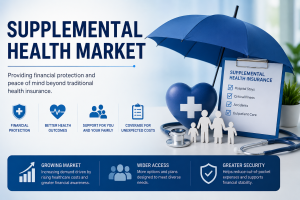
Understanding Supplemental Health Insurance
Supplemental health insurance is designed to help individuals manage out-of-pocket expenses associated with medical treatment and recovery. Unlike traditional health insurance, supplemental plans often provide direct cash benefits that policyholders can use for medical bills, household expenses, transportation, childcare, mortgage payments, or income replacement during periods of illness or injury.
These policies are particularly valuable for individuals enrolled in high-deductible health plans (HDHPs), seniors enrolled in Medicare, and workers seeking additional financial security beyond employer-sponsored health benefits.
Get Sample: https://www.precedenceresearch.com/sample/3063
Key Factors Driving Market Growth
Rising Out-of-Pocket Healthcare Costs
Healthcare expenses in the United States have steadily increased over the past decade. Even insured individuals frequently face substantial deductibles, copayments, and coinsurance obligations. Supplemental health insurance helps bridge these financial gaps by providing additional benefits during medical emergencies.
According to the Centers for Medicare & Medicaid Services (CMS), national healthcare spending continues to rise annually, placing increasing financial pressure on households. As consumers seek greater financial protection, supplemental insurance products are becoming increasingly attractive.
Growing Aging Population
America’s aging population represents one of the strongest growth drivers for the supplemental health market. As the number of adults aged 65 and older increases, demand for Medicare-related supplemental coverage continues to expand.
Older adults often require more frequent medical care, specialist visits, hospitalizations, and chronic disease management. Supplemental insurance products such as Medigap plans, hospital indemnity coverage, and critical illness policies help reduce financial burdens associated with healthcare utilization.
How Wearable Technology is Transforming Supplemental Health Insurance
Wearable technology is revolutionizing the supplemental health insurance market by enabling insurers to offer more personalized, preventive, and data-driven insurance solutions. Devices such as smartwatches, fitness trackers, heart rate monitors, and continuous glucose monitoring systems generate real-time health data that helps insurers better understand individual health risks and behaviors. This information allows insurance providers to develop customized coverage plans, improve risk assessment accuracy, and encourage healthier lifestyles among policyholders.
Many insurers are introducing wellness-based programs that reward customers for maintaining healthy habits such as regular exercise, quality sleep, and active disease management. Wearable technology also supports early detection of health issues, reducing the likelihood of costly medical interventions and hospitalizations. As artificial intelligence and digital health ecosystems continue to evolve, wearable devices are expected to play an increasingly important role in shaping personalized supplemental health insurance products and improving overall healthcare outcomes.
Impact of Remote Work on Supplemental Health Benefits
The rapid expansion of remote and hybrid work models has significantly changed employee healthcare needs and influenced the design of supplemental health benefit programs. Remote workers often experience unique challenges, including reduced physical activity, increased stress levels, mental health concerns, and limited access to traditional workplace wellness resources. These evolving needs have encouraged employers and insurers to expand supplemental health benefits that support employee well-being regardless of location.
Organizations are increasingly offering supplemental benefits such as telehealth services, virtual mental health counseling, wellness coaching, disability insurance, and critical illness coverage to address the health risks associated with remote work environments. Digital enrollment platforms and personalized benefit options have also made it easier for employees to access and customize supplemental coverage according to their individual needs. As flexible work arrangements become a long-term workforce trend, supplemental health insurance providers are expected to continue developing innovative solutions that promote employee health, productivity, and financial security in a remote-first world.
The Growing Impact of Artificial Intelligence
Artificial intelligence is transforming the supplemental health insurance industry by improving underwriting accuracy, claims management, fraud detection, and customer service.
- Personalized Risk Assessment: AI algorithms analyze large volumes of data, including medical records, claims history, wearable device data, and lifestyle information. This allows insurers to better understand individual risk profiles and offer more personalized pricing structures.
- Faster Claims Processing: Traditional insurance claims often require extensive manual review. AI-powered systems can automatically verify claims documentation, assess eligibility, and process payments within minutes rather than days or weeks.
Check this report to: Skin Boosters Market
Market Dynamics
Driver
Rising Healthcare Costs and Chronic Disease Burden
One of the primary drivers of the supplemental health market is the continuous rise in healthcare costs across the United States. Medical treatments, hospitalizations, prescription drugs, and specialized care services are becoming increasingly expensive. Simultaneously, chronic diseases such as diabetes, cancer, heart disease, and obesity are becoming more prevalent, creating long-term healthcare needs and financial pressures. Supplemental insurance provides individuals with additional financial protection against these growing expenses.
Opportunity
Digital Health and Personalized Insurance Solutions
The rapid adoption of digital health technologies presents significant growth opportunities for supplemental insurance providers. Wearable devices, telehealth platforms, artificial intelligence, and data analytics enable insurers to create personalized products that align with individual health conditions and behaviors. As consumers increasingly embrace digital healthcare services, insurers can enhance customer engagement, improve health outcomes, and develop innovative insurance offerings.
Challenge
Consumer Awareness and Product Complexity
Despite growing demand, many consumers remain unfamiliar with the benefits and limitations of supplemental health insurance products. The complexity of insurance terminology, varying coverage options, and differences between traditional and supplemental plans can create confusion during purchasing decisions. Educating consumers and simplifying product offerings remain key challenges for insurers seeking broader market penetration.
Competitive Landscape
The U.S. supplemental health insurance market features strong competition among established insurance providers. Major industry participants include:
- American International Group (AIG)
- Anthem Inc.
- MetLife Inc.
- Zurich Insurance Group
- Assurant Inc.
- AXA Group
- Cigna Corporation
- Humana Inc.
These companies continue to invest heavily in digital technologies, AI capabilities, telehealth partnerships, and personalized insurance offerings to strengthen their market positions.
Future Opportunities
- Personalized Insurance Products: Future growth will increasingly be driven by customizable insurance solutions tailored to individual health risks, lifestyles, and financial needs.
- Digital Healthcare Integration: The combination of supplemental insurance, telehealth services, wearable technology, and remote patient monitoring will create new opportunities for insurers and healthcare providers.
- Expansion of Preventive Care Programs: Insurers are expected to place greater emphasis on preventive health initiatives that improve patient outcomes while reducing long-term healthcare costs.
- AI-Driven Innovation: Artificial intelligence will continue reshaping underwriting, customer engagement, claims management, and fraud detection, creating more efficient and customer-centric insurance ecosystems.
Conclusion
The U.S. supplemental health market is entering a period of significant expansion driven by rising healthcare costs, an aging population, increased adoption of high-deductible health plans, and growing consumer awareness of financial protection needs. As traditional health insurance leaves many coverage gaps, supplemental products are becoming essential tools for managing healthcare-related financial risks.
Technological advancements such as artificial intelligence, telehealth integration, and personalized insurance models are further transforming the industry. With strong demand from working adults, seniors, and employers alike, the supplemental health insurance market is well-positioned for sustained growth throughout the next decade. Organizations that embrace innovation, customization, and digital transformation will be best equipped to capitalize on emerging opportunities in this evolving healthcare landscape.
 You can place an order or ask any questions. Please feel free to contact us at