
 by
by The global health and wellness market was valued at USD 4.79 trillion in 2025 and is expected to grow from USD 5.02 trillion in 2026 to nearly USD 7.76 trillion by 2035. This growth reflects a compound annual growth rate (CAGR) of 4.94% during the forecast period from 2026 to 2035.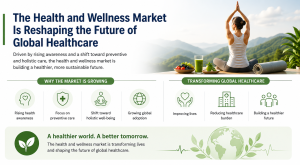
Understanding the Health and Wellness Market
The health and wellness market represents a diverse and rapidly expanding industry focused on enhancing physical, mental, and emotional well-being. It encompasses a broad range of products, services, and technologies designed to help individuals lead healthier and more balanced lives. Key areas within the market include healthy eating and nutrition, weight management programs, fitness and physical activity solutions, preventive healthcare services, personalized medicine, mental wellness support, wellness tourism, health monitoring devices, telemedicine platforms, digital health applications, and beauty and personal care products. As consumers become increasingly aware of the importance of maintaining overall well-being, demand for these solutions continues to rise. The industry’s remarkable growth reflects a global shift toward proactive health management, where individuals are prioritizing disease prevention, healthier lifestyle choices, and long-term wellness rather than focusing solely on the treatment of illnesses. This transformation is driving innovation and creating significant opportunities across the healthcare and wellness ecosystem.
Get Sample: https://www.precedenceresearch.com/sample/1352
Key Factors Driving Health and Wellness Market Growth
Rising Focus on Preventive Healthcare
Consumers are increasingly adopting preventive healthcare practices to avoid chronic diseases such as diabetes, cardiovascular disorders, obesity, and hypertension. Regular health screenings, wellness checkups, and lifestyle modifications are becoming mainstream health strategies.
Preventive care is often more cost-effective than treating advanced diseases, making it attractive to both consumers and healthcare providers. The growing emphasis on early disease detection continues to support market growth.
Growing Awareness of Mental Health
Mental health has become a major component of the wellness economy. Stress, anxiety, depression, and burnout have increased significantly in recent years, creating demand for:
- Meditation apps
- Online therapy platforms
- Mindfulness programs
- Corporate wellness initiatives
- Mental fitness coaching
Digital mental health solutions are making psychological support more accessible and affordable than ever before. AI-powered wellness applications are also helping users manage stress and improve emotional well-being.
Expansion of Digital Health Technologies
Technology is transforming how consumers manage their health. Digital wellness platforms now offer:
- Virtual consultations
- Personalized health recommendations
- Remote patient monitoring
- AI-based diagnostics
- Wellness coaching
Telehealth and mobile health applications have improved healthcare accessibility, especially in remote and underserved regions. Digital healthcare is expected to remain one of the most influential growth drivers over the next decade.
The Evolution of Health and Wellness in the Digital Age
The health and wellness industry has undergone a remarkable transformation over the past decade, driven by rapid technological advancements and changing consumer expectations. Traditionally, healthcare focused primarily on diagnosing and treating illnesses after symptoms appeared. Today, digital technologies are shifting the focus toward prevention, continuous monitoring, and personalized wellness management.
The widespread adoption of smartphones, wearable devices, and health applications has empowered individuals to take greater control of their health. Consumers can now track their physical activity, monitor sleep quality, measure heart rate, and receive personalized recommendations in real time. These tools provide valuable insights into daily habits and encourage healthier lifestyle choices.
Why Preventive Health is Becoming a Global Priority
Preventive healthcare has emerged as one of the most significant trends in the global health and wellness market. Governments, healthcare organizations, employers, and consumers are increasingly recognizing that preventing diseases is more effective and cost-efficient than treating them after they develop.
The growing prevalence of chronic diseases such as obesity, diabetes, cardiovascular disorders, and hypertension has highlighted the importance of preventive care. Many of these conditions are linked to lifestyle factors, including poor nutrition, physical inactivity, smoking, and excessive stress. By addressing these risk factors early, individuals can significantly reduce their chances of developing serious health complications.
Smart Health Technologies Transforming Everyday Life
Smart health technologies are fundamentally changing how people manage their health and well-being. These innovations combine digital connectivity, artificial intelligence, sensors, and data analytics to provide real-time health insights and personalized recommendations.
Wearable devices are among the most widely adopted smart health technologies. Modern smartwatches and fitness trackers can monitor physical activity, sleep patterns, heart rate variability, blood oxygen levels, stress levels, and calorie expenditure. These devices help users gain a deeper understanding of their health and encourage healthier behaviors.
Key Trends Shaping the Health and Wellness Market
- Rise of Personalized Health and Wellness: Consumers are increasingly seeking customized wellness solutions tailored to their unique health needs. Personalized nutrition plans, DNA-based health assessments, customized supplements, and individual fitness programs are becoming more popular as people look for targeted approaches to improve their well-being.
- Growth of Digital Health Platforms: Digital health technologies continue to transform the healthcare landscape. Mobile health applications, telemedicine services, virtual consultations, and remote patient monitoring systems are making healthcare more accessible, convenient, and efficient for consumers worldwide.
- Expansion of Wearable Health Technology: Smartwatches, fitness trackers, and advanced health monitoring devices are becoming essential wellness tools. These devices provide real-time insights into heart rate, sleep quality, stress levels, physical activity, and overall health performance, helping consumers make informed lifestyle decisions.
- Increasing Focus on Mental Wellness: Mental health is becoming a major priority within the wellness industry. Consumers are investing in meditation apps, online therapy services, mindfulness programs, stress management solutions, and emotional well-being platforms to support their mental health.
- Preventive Healthcare Gaining Momentum: The shift from reactive treatment to proactive health management continues to accelerate. Regular health screenings, preventive diagnostics, wellness checkups, and early disease detection programs are becoming central components of healthcare strategies.
Read Also: Digestive Health Products Market
Regional Health and Wellness Market Analysis
North America
North America remains the largest health and wellness market due to:
- High healthcare spending
- Strong consumer awareness
- Advanced healthcare infrastructure
- High adoption of wellness technologies
The region benefits from widespread use of fitness apps, telemedicine services, and wearable devices.
Asia-Pacific
Asia-Pacific is expected to experience the fastest growth throughout the forecast period.
Major growth factors include:
- Rapid urbanization
- Increasing disposable income
- Expanding middle-class population
- Growing health awareness
- Government healthcare initiatives
Countries such as China, India, Japan, and South Korea are becoming important wellness innovation hubs.
Europe
Europe continues to witness strong growth in:
- Organic foods
- Sustainable wellness products
- Preventive healthcare
- Mental wellness services
The region’s focus on healthcare quality and healthy lifestyles supports long-term market expansion.
Challenges Facing the Health and Wellness Market
Despite strong growth potential, several challenges remain:
- Data Privacy Concerns: The increasing use of wearable devices and digital health platforms raises concerns about personal health data security.
- Regulatory Complexity: Health claims, wellness products, supplements, and digital healthcare solutions face varying regulations across regions, creating compliance challenges.
- Affordability Issues: Many advanced wellness services and personalized healthcare solutions remain expensive, limiting accessibility for some consumers.
- Information Overload: Consumers are exposed to vast amounts of wellness information, making it difficult to distinguish evidence-based solutions from marketing claims.
