
 by
by What is the Dental Services Organization Market Size in 2026?
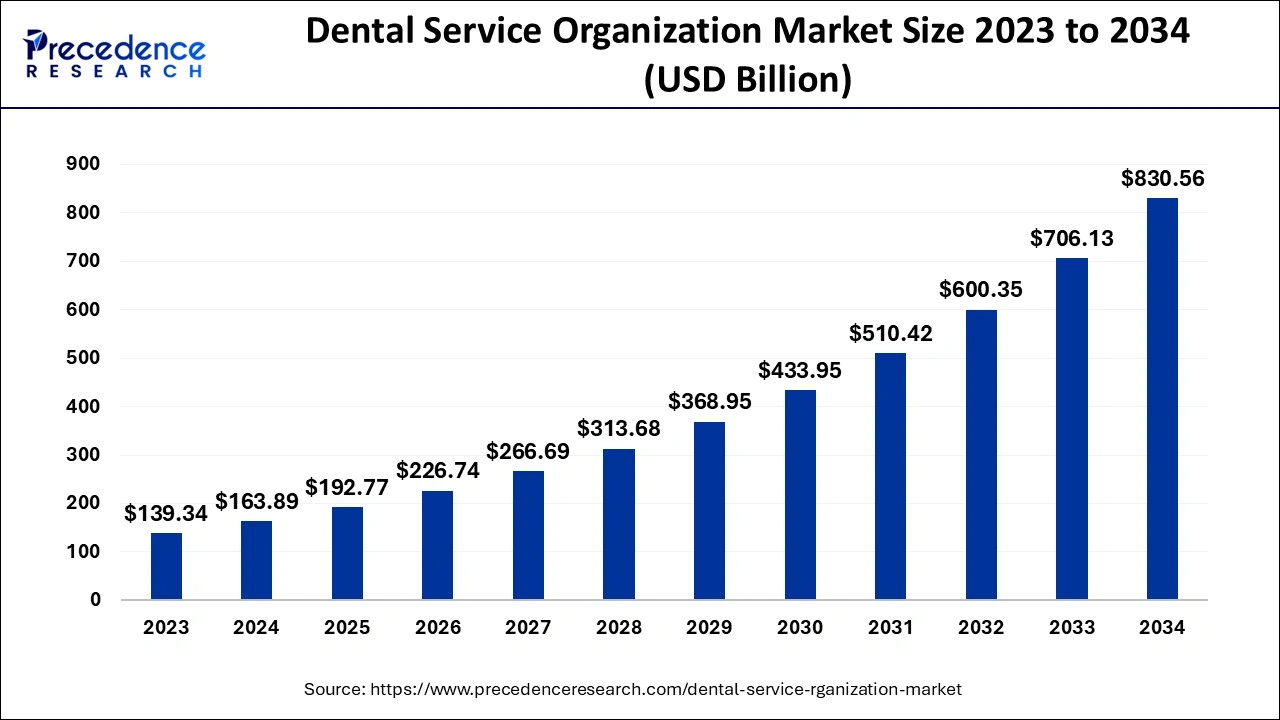
The global dental services organization (DSO) market is entering a transformative growth phase, with its valuation projected to rise from USD 226.74 billion in 2026 to approximately USD 942.56 billion by 2035, expanding at a robust CAGR of 17.2%. This surge is primarily fueled by increasing awareness of oral health, growing demand for cosmetic dentistry, and the rapid consolidation of independent dental practices into scalable organizational networks.
Introduction: Why Is the Dental Services Organization Market Accelerating So Rapidly?
The DSO market is witnessing unprecedented expansion as dental practitioners increasingly shift toward centralized administrative models that allow them to focus on patient care rather than operations. Rising consumer interest in aesthetic procedures such as whitening, veneers, and orthodontics—amplified by social media influence—has significantly boosted patient volumes globally.
At the same time, DSOs are enabling operational efficiency through shared services like procurement, HR, and billing, making them an attractive model for both dentists and investors.
Quick Insights: What Are the Key Market Highlights?
• The market is expected to reach USD 942.56 billion by 2035, growing at a CAGR of 17.2%.
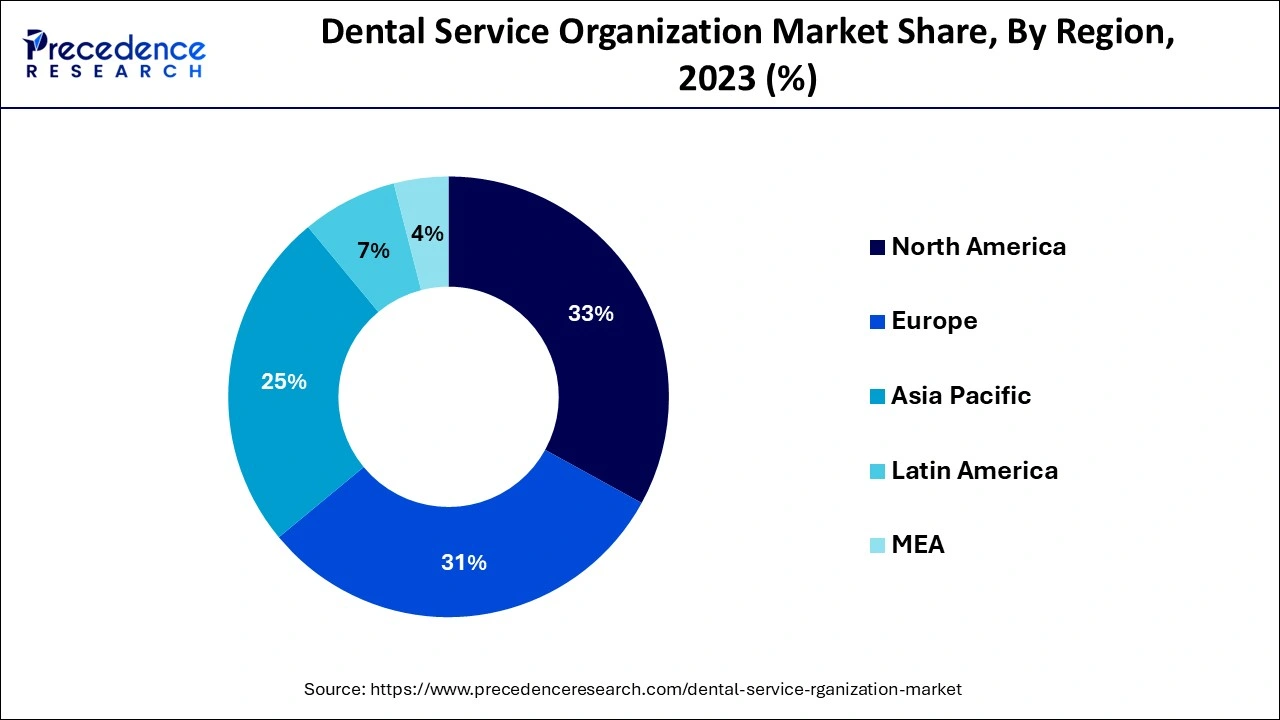
• North America dominates the global landscape due to strong reimbursement systems and DSO penetration.
• Medical supplies procurement is the leading service segment, accounting for over 20% revenue share.
• Human resources services are projected to grow at the fastest rate.
• Key players such as Heartland Dental, Aspen Dental, and Colosseum Dental Group are driving consolidation strategies.
How Is Artificial Intelligence Reshaping Dental Service Organizations?
Artificial intelligence is rapidly becoming a cornerstone of modern DSO operations. AI-powered diagnostic tools are enabling dentists to analyze X-rays with greater accuracy and consistency, significantly improving early detection of oral diseases. Platforms developed by companies such as Overjet and Pearl are setting new benchmarks in clinical precision and standardization across multi-location practices.
Additionally, AI-driven practice management systems are streamlining scheduling, billing, and patient data management. This not only enhances operational efficiency but also improves patient experience by reducing wait times and enabling personalized care delivery. As DSOs continue to scale, AI integration is expected to become indispensable in ensuring uniform quality across networks.
What Are the Key Growth Drivers of the Market?
Rising Demand for Cosmetic Dentistry
The growing popularity of aesthetic dental procedures, driven by digital influence and increasing disposable income, is a major contributor to market expansion.
Operational Efficiency Through Centralization
DSOs provide shared administrative services, reducing costs and enabling dentists to focus on clinical excellence.
Increasing Oral Health Awareness
Global awareness campaigns and preventive care initiatives are encouraging more frequent dental visits.
Private Equity Investments and Consolidation
The influx of investments is accelerating mergers and acquisitions, enabling rapid network expansion.
What Opportunities and Trends Are Shaping the Future of DSOs?
Is Consolidation the Biggest Opportunity in the Market?
Yes. The ongoing acquisition of independent dental practices by large DSOs is creating economies of scale and expanding service reach.
Are Digital Platforms Transforming Patient Engagement?
Absolutely. Teledentistry, cloud-based systems, and AR-based smile previews are enhancing patient interaction and boosting treatment acceptance rates.
Can Emerging Markets Unlock New Growth Potential?
Emerging economies such as India are offering untapped opportunities due to underserved populations and government initiatives to expand rural dental care access.
Market Scope
| Report Coverage | Details |
| Market Size in 2025 | USD 192.77 Billion |
| Market Size in 2026 | USD 226.74 Billion |
| Market Size by 2035 | USD 942.56 Billion |
| Market Growth Rate from 2026 to 2035 | CAGR of 17.2% |
| Largest Market | North America |
| Base Year | 2025 |
| Forecast Period | 2026 to 2035 |
| Segments Covered | Service, End-use, and Regions |
| Regions Covered | North America, Europe, Asia-Pacific, Latin America and Middle East, and Africa |
Market Dynamics
Driver: Rising Prevalence of Oral Health Issues
Oral health problems, particularly dental caries (tooth decay) and periodontal (gum) diseases, are becoming increasingly common worldwide. According to the World Health Organization, dental caries in permanent teeth affect more than 3.5 billion people, making it the most widespread dental condition globally.
As awareness around oral hygiene grows, more people are seeking regular dental check-ups and treatments. At the same time, improved access to dental insurance—especially in developed countries—has made dental care more affordable and accessible. Governments and private insurers are expanding coverage, encouraging more individuals to opt for preventive and routine care. This shift is directly boosting demand for dental services, benefiting dental service organizations (DSOs), as insured patients are more likely to visit clinics regularly.
Restraint
Running dental practices involves significant expenses. Clinics require skilled professionals such as dentists, hygienists, and assistants, all of whom demand competitive salaries. In addition, maintaining advanced dental equipment and ensuring compliance with strict health and safety regulations adds to operational costs.
Regular upgrades, inspections, and maintenance are essential to meet regulatory standards, making it challenging for dental service providers to manage profitability—especially smaller practices.
Opportunity
Technology is transforming the dental industry, creating new growth opportunities. Tele-dentistry, for instance, allows patients to consult dentists remotely through video calls or digital platforms. This is especially beneficial for people in rural or underserved areas who may not have easy access to clinics.
Digital tools such as electronic health records (EHRs) are also streamlining operations. DSOs can now store and manage patient data centrally, improving accessibility, reducing paperwork, and ensuring secure record-keeping across multiple locations. These innovations enhance efficiency, patient experience, and overall service quality.
Service
The medical supplies procurement segment holds a significant share of the DSO market. Since DSOs often operate multiple clinics under one network, they can centralize purchasing and buy supplies in bulk. This helps reduce costs and gives them stronger negotiating power with suppliers.
Centralized procurement also simplifies operations for individual clinics. With the help of digital tools, DSOs can manage inventory, track supplies in real time, and automate orders. Data-driven forecasting further minimizes waste and ensures timely delivery, reducing the risk of supply disruptions.
Meanwhile, the human resources (HR) segment is expected to grow the fastest. As demand for dental professionals increases, DSOs rely on dedicated HR teams to recruit and retain skilled staff. Managing workforce expansion across multiple locations is becoming increasingly important.
HR departments also play a key role in improving employee satisfaction by offering benefits such as flexible work arrangements, family-friendly policies, and telehealth options—helping DSOs stay competitive in attracting talent.
End-Use
The general dentists segment dominated the market in 2024. General dentists handle the majority of routine dental care, resulting in higher patient volumes compared to specialists. This makes them a crucial part of DSO operations and revenue generation.
They also act as the first point of contact for patients and often refer them to specialists when needed. This referral system helps DSOs retain patients within their network, supporting an integrated care model.
On the other hand, the dental surgeons segment is expected to grow the fastest. By partnering with DSOs, dental surgeons can focus more on clinical work while administrative tasks are handled centrally. This allows them to treat more patients and perform complex procedures.
Additionally, DSOs provide access to advanced surgical tools and technologies, along with opportunities for collaboration and professional development, enhancing the capabilities of dental surgeons.
Regional
North America
North America led the DSO market in 2025, driven by advanced healthcare infrastructure and early adoption of the DSO model. Technologies such as digital radiography, CAD/CAM systems, and 3D printing are widely used, improving efficiency and accuracy in dental procedures.
Public awareness campaigns and education programs have also increased the demand for preventive and corrective dental care. The use of AI in diagnostics, treatment planning, and patient management is further enhancing service quality.
The United States dominates the regional market due to strong insurance coverage, growing corporate dental chains, and increased private equity investment in healthcare. Canada is also experiencing growth, supported by rising oral health awareness and an aging population that requires frequent dental care.
Government initiatives, including incentives for DSO participation and support for value-based care models, are further driving innovation. Tele-dentistry programs and digital integration efforts are also strengthening the region’s position as a global leader in the DSO market.
Asia-Pacific
Asia-Pacific is expected to be the fastest-growing region in the coming years. Rapid population growth, rising disposable incomes, and increasing awareness of oral hygiene are key factors driving demand.
Countries such as India, China, Japan, South Korea, and Australia are witnessing a surge in demand for advanced dental treatments, including cosmetic dentistry and orthodontics. Urbanization and infrastructure development are encouraging small, independent clinics to join larger DSO networks to benefit from shared resources and advanced technologies.
Governments in the region are supporting growth by improving healthcare infrastructure, offering tax incentives, and easing regulations to attract foreign investment. Additionally, innovations like mobile dental clinics, AI-based diagnostics, and remote consultation tools are helping bridge the gap between urban and rural healthcare access.
Dental Services Organization Market Companies
- Pacific Dental
- DentalCare Alliance
- 42North Dental
- Dentelia
- MB2 DENTAL
- Colosseum Dental Group
- GSD Dental Clinics
- Heartland Dental
- Aspen Dental
Segments Covered in the Report
By Service
- Human Resources
- Marketing & Branding
- Accounting
- Medical Supplies Procurement
- Others
By End-use
- Dental Surgeons
- Endodontists
- General Dentists
- Others
By Geography
- North America
- Asia Pacific
- Europe
- Latin America
- Middle East and Africa
Get Sample :https://www.precedenceresearch.com/sample/5279
Also Read :https://www.pharma-geek.com/bone-resorption-inhibitors-market/

