 by
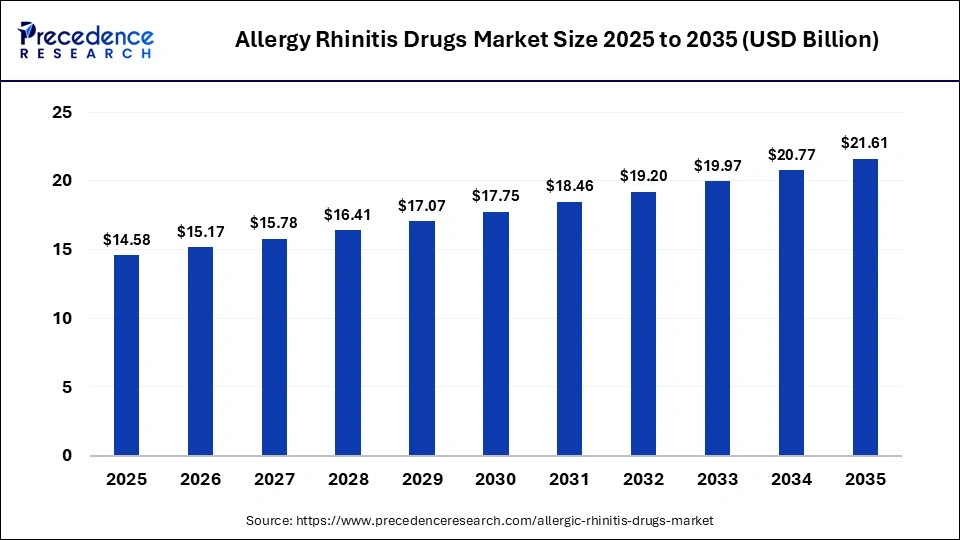
by The global allergy rhinitis drugs market is witnessing steady expansion, driven by increasing environmental triggers, rising awareness of respiratory health, and the growing availability of effective treatment options. The market size was valued at USD 14.58 billion in 2025 and is expected to grow from USD 15.17 billion in 2026 to approximately USD 21.61 billion by 2035, registering a CAGR of 4.01% during the forecast period.
This growth is largely fueled by heightened exposure to allergens such as pollen, dust mites, and urban air pollution, along with improved diagnosis rates and broader access to both prescription and over-the-counter (OTC) medications. The increasing demand for antihistamines, corticosteroids, and immunotherapy solutions continues to shape the market landscape.
Read Also: Dairy Herd Management Market
Market Overview
Allergic rhinitis, commonly known as hay fever, is an inflammatory condition of the nasal passages caused by allergens. Symptoms include sneezing, nasal congestion, runny nose, and itching, which significantly impact quality of life.
The market encompasses a wide range of treatment options, including:
- Antihistamines for rapid symptom relief
- Corticosteroid nasal sprays for inflammation control
- Decongestants for temporary relief
- Immunotherapy for long-term disease modification
With rising pollution levels and climate change extending pollen seasons, allergic rhinitis is becoming increasingly prevalent worldwide, creating sustained demand for pharmaceutical interventions.
Key Market Drivers
Rising Environmental Pollution
Urbanization and industrialization have significantly increased air pollution levels, contributing to higher incidences of respiratory allergies. Pollutants exacerbate allergic reactions, increasing reliance on medication.
Increasing Prevalence of Allergies
Growing exposure to allergens such as dust, mold, and pet dander has led to a surge in both seasonal and perennial allergic rhinitis cases globally.
Growing Awareness and Self-Medication Trends
Consumers are becoming more proactive in managing allergies, leading to increased adoption of OTC drugs and preventive treatments.
Advancements in Drug Development
Continuous innovation in drug formulations, including non-sedating antihistamines and advanced nasal sprays, is improving treatment outcomes and patient compliance.
Impact of Artificial Intelligence on the Market
Artificial Intelligence (AI) is playing a transformative role in the allergy rhinitis drugs market by enhancing drug discovery, diagnosis, and personalized treatment strategies.
- AI-driven platforms help identify immune pathways involved in allergic responses
- Predictive analytics forecast allergy outbreaks based on environmental and pollen data
- Personalized medicine approaches tailor treatments based on patient-specific profiles
These advancements are accelerating the development of targeted therapies and improving clinical outcomes.
Key Market Trends
Rising Adoption of Immunotherapy
Immunotherapy is gaining traction as a long-term solution that addresses the root cause of allergies rather than just symptoms. Sublingual and injectable therapies are becoming more widely accepted.
Innovation in Drug Delivery Systems
New delivery formats such as nasal sprays, inhalers, and fast-dissolving tablets are enhancing convenience and improving drug effectiveness.
Emergence of Biologics
Biologic therapies targeting specific immune pathways are being developed for patients with severe or treatment-resistant allergic rhinitis.
Expansion of OTC Market
The increasing availability of OTC allergy medications is empowering consumers to manage symptoms independently, boosting market growth.
Segmental Analysis
By Disease Type
The perennial allergic rhinitis segment dominated the market in 2025 due to continuous exposure to indoor allergens like dust mites and pet dander. This condition requires long-term treatment, ensuring consistent demand for medications.
The seasonal allergic rhinitis segment is expected to grow at the fastest rate, driven by longer and more intense pollen seasons caused by climate change.
By Treatment Type
The antihistamines segment held the largest market share in 2025. These drugs are widely used due to their effectiveness in relieving common symptoms and their availability in both prescription and OTC forms.
The immunotherapy segment is projected to grow at the fastest CAGR, as it offers long-term relief by modifying the body’s immune response to allergens.
By Drug Type
The prescription segment dominated the market in 2025, supported by physician-guided treatment for moderate-to-severe cases and the use of advanced therapies.
The OTC segment is expected to expand rapidly, driven by increasing self-care trends and easy accessibility through pharmacies and online platforms.
By Route of Administration
The oral segment led the market in 2025 due to convenience, ease of use, and widespread availability of oral antihistamines.
The intravenous segment is anticipated to grow at the fastest rate, supported by the development of biologic therapies for severe allergic conditions.
Regional Insights
North America
North America accounted for the largest market share of 37% in 2025, driven by:
- High prevalence of allergic conditions
- Strong adoption of OTC medications
- Advanced healthcare infrastructure
- Favorable reimbursement policies
The United States remains the key contributor due to high healthcare spending and widespread availability of advanced therapies.
Asia-Pacific
Asia-Pacific is expected to be the fastest-growing region during the forecast period due to:
- Rapid urbanization and industrialization
- Rising pollution levels
- Increasing healthcare awareness
- Expanding pharmaceutical manufacturing
Countries such as China and India are witnessing a surge in allergy cases, boosting demand for effective treatments.
Europe
Europe is experiencing steady growth supported by strong healthcare systems, increasing allergy prevalence, and rising adoption of innovative therapies.
Competitive Landscape
The allergy rhinitis drugs market is highly competitive, with major pharmaceutical companies focusing on innovation, product development, and strategic collaborations. Key players include:
- AstraZeneca plc
- Bayer
- GlaxoSmithKline
- Pfizer Inc.
- Novartis AG
- Sanofi
- Regeneron Pharmaceuticals Inc.
- Teva Pharmaceutical Industries
- Dr. Reddy’s Laboratories
- Glenmark Pharmaceuticals
These companies are investing in R&D to develop advanced therapies, including biologics and personalized treatments.
Recent Developments
Recent approvals and product launches are reshaping the market. For instance:
- New biologic therapies are being introduced for severe allergic conditions
- Innovative nasal sprays and combination drugs are expanding treatment options
- Strategic partnerships are enhancing global market penetration
Future Outlook
The allergy rhinitis drugs market is expected to maintain steady growth over the next decade. Key opportunities include:
- Expansion of biologic and personalized therapies
- Increased adoption of immunotherapy
- Growth in emerging markets
- Advancements in digital health and AI-driven diagnostics
Conclusion
The global allergy rhinitis drugs market is evolving steadily, driven by environmental changes, rising allergy prevalence, and continuous innovation in treatment options. With growing awareness, expanding access to medications, and advancements in personalized medicine, the market is set to witness sustained growth through 2035.
Get Sample Copy: https://www.precedenceresearch.com/sample/8134
For inquiries regarding discounts, bulk purchases, or customization requests, please contact us at [email protected]
